Addiction Treatment in Texas: Resolving Trauma-Informed Care
Addiction does not show up alone. In Texas centers, region prisons, and medical facility emergency clinic, the tale repeats: a background of violence in your home, a rollover on I-35, a tour in Fallujah, a typhoon discharge that never ever supported, an attack that no one believed. When you work long enough in addiction treatment, you find out to listen for the missing out on phase. Trauma, whether single-incident or chronic, re-shapes threat discovery and coping. Without audit for it, care looks like friction. With it, the items start to fit.
This focus is not a luxury add-on. For lots of Texans looking for help with material use, distressing anxiety belongs to the medical image. Nationally, studies generally report that between 60 and 90 percent of people in substance use treatment record at the very least one significant terrible event. The precise number differs by setting and populace, but the pattern holds. If a program constructs its educational program just around self-control, repercussions, and relapse activates, end results stall. When considering addiction treatment throughout a state as huge and differed as Texas, trauma-informed treatment needs to move from the specialized column right into the default setting.
Why trauma-informed care adjustments the arc of treatment
Trauma modifies physiology and expectation. It keys fight or flight feedbacks, elevates baseline alertness, and can squash the capability for count on. Individuals reach for substances because they work, a minimum of for a while. Opioids soften invasive memories and physical anxiety. Meth develops focus in a mind misted by anxiety or strikes to the head. Alcohol slows down the spin during the night so rest comes. When a medical professional informs a person to get sober without offering more secure ways to manage a dysregulated system, it often lands as a nonstarter.
Trauma-informed care does not mean every customer needs to look into past injuries on day one. It indicates the program thinks tough backgrounds are common, screens carefully, prevents techniques that mimic threat or loss of control, and strengthens abilities that decrease physiological stimulation. It is both a way of thinking and a set of functional guardrails. The pledge is not immediate relief. The promise is that treatment will not make things worse, which safety and security, dependability, and partnership will secure the work.
The Texas landscape: ranges, variety, and distinct stressors
Delivering that assurance throughout Texas takes local knowledge. A strategy that operates in main Austin might break down in the Panhandle or the Rio Grande Valley.
San Antonio offers a concrete instance. Several clients there straddle obligations to extended household, church, and army solution. The city's deep army connections suggest a steady circulation of experts and active-duty relative, lots of browsing ethical injury, made complex grief, or distressing brain injury layered on substance use. South Texas communities add border-related stress, with customers that have actually experienced movement trauma or deportation worries. Language accessibility matters, not just Spanish but likewise regional languages and the capability to discuss sensitive subjects without shedding nuance.
In West Texas, distances make complex continuity. I have had cattle ranch hands drive two hours to intensive outpatient teams, a trip that damages down with an ill youngster or calving season. Telehealth increases reach but has to be paired with safe, personal rooms. In Houston and the Golden Triangular, industrial accidents and hurricanes leave their very own footprint. Trauma-informed addiction treatment in Texas should bend for these realities, not shame individuals for missing sessions when the closest center is 90 miles away or a refinery closure modifications moves overnight.
What injury resembles in the room
Trauma does not walk in with a tag. It shows up as the client who tornados out when you close the door a little as well rapidly, the mother that nods via group yet never makes eye get in touch with, the professional who rests with his back to the wall. Theoretically, these reviewed as resistance or poor motivation. Seen through the lens of risk and security, they become affordable adaptations.
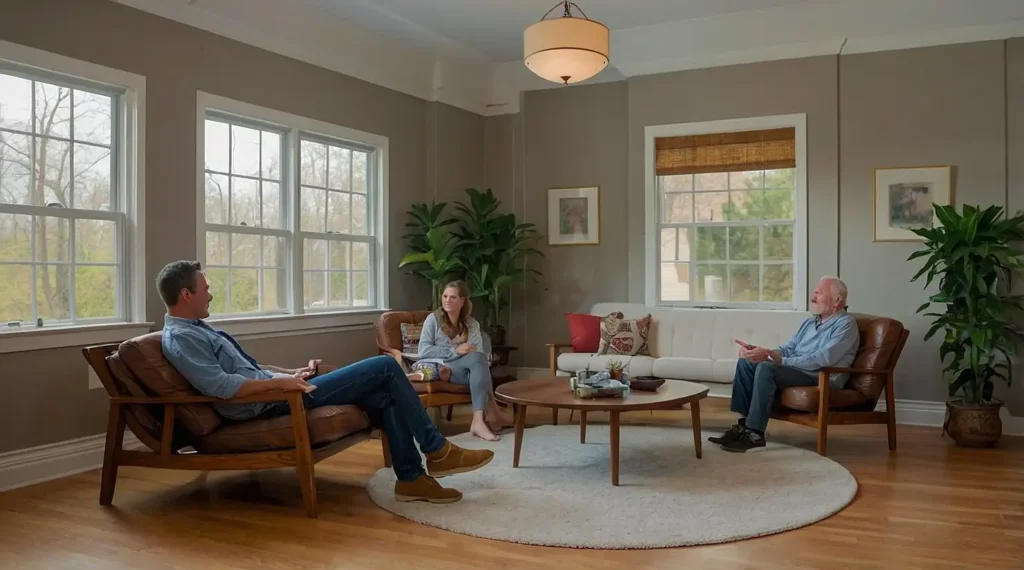

Common patterns include fragmented rest, pervasive startle, focus issues that imitate ADHD, swings in between tingling and frustration, and somatic grievances that do not yield to regular medical workups. Analysis has to differentiate trauma symptoms from drunkenness or withdrawal while identifying they can overlap. A client detoxing from alcohol may shiver and sweat from both withdrawal physiology and anxiety. The response ought to target both.
Foundational principles, equated into action
The core principles of trauma-informed treatment are extensively mentioned: security, count on, option, partnership, and empowerment. Programs often list them on a poster, after that continue browsing areas, limiting washroom access after urine displays, or demanding trauma narratives in early sobriety groups. Concepts issue, yet not unless they assist operations.
In Texas programs, I have actually seen the complying with small modifications pay huge rewards. Doors that do not auto-lock behind customers, or at least team that describe any kind of safety step prior to it takes place. Clear, respectful language around medicine testing, including scripts and alternatives for observed versus unnoticed collection, particularly for customers with sexual trauma histories. Alignment that shows, not just tells: where to sit, exactly how breaks function, exactly how to step outdoors if overwhelmed, that to request aid. Regular faces, given that turnover itself can simulate desertion. Personnel who introduce themselves with role and purpose every time, not due to the fact that clients neglect, however due to the fact that predictability soothes a hazard system.
Assessment without re-injury
Screening for injury ought to really feel careful and paced. Usage simple terms and use opt-outs. Many Texas programs now embed brief, validated tools like the Medical care PTSD Display or the Life Occasions List, yet tools can not replace clinical judgment. I commonly frame the discussion as, "Lots of people who come here have actually lived through difficult things that still influence rest, concentration, or trust. If that puts on you, we can customize care so it is less demanding, and we will move at your pace." When clients share, show control back to them. Ask what aids when memories surge. Ask what not to do.
In San Antonio centers linked to army systems, anticipate facility records and numerous screenings already finished. Do not think those notes record the significance of events for the person sitting with you. The labeling of "battle trauma" frequently misses the relational slights that haunt life, like a commander's indifference after a pal's death or moral problems from civilian casualties. Each requires a various healing door.
Medication therapy with a trauma lens
Medication for addiction treatment, whether buprenorphine, methadone, extended-release naltrexone, or medicines for alcohol use disorder, can stabilize the nervous system by getting rid of the rollercoaster of intoxication and withdrawal. For clients with injury backgrounds, this security frequently exposes distress that materials once masked. Prepare for that second wave.
I established expectations in advance: medications quiet desires and reduce regression danger, yet they will certainly not remove problems or sudden rises of panic. We will include particular devices for those. When someone begins buprenorphine in a San Antonio facility, I schedule a follow-up within a week and clearly inspect rest, recalls, impatience, and surprise. For clients with persistent pain and trauma, coordinate with discomfort experts to avoid reactivating fears of desertion or termination. Publicly funded programs often stress that trauma job will certainly derail addiction care. In practice, tiny targeted treatments, like prazosin for headaches or a brief program of hydroxyzine for severe stress and anxiety coupled with skills training, lower dropout.
Group job without avoidable harm
Group therapy is a workhorse in addiction treatment. It builds peer connection, stabilizes battle, and can extend a restricted workforce. It likewise brings danger. Early sharing of visuals trauma web content can set off various other members and even cause a villainous bonding around suffering. Facilitators need specific training on exactly how to keep groups within a secure restorative window.
Set limits at intake and at the beginning of each session. Customers can call motifs and effects without details that can not unhear. Offer opt-outs scot-free and stabilize quick step-outs. Turn material so sessions include law technique, like paced breathing, basing exercises, or quick sensory resets, not just chat. In San Antonio, I have actually enjoyed professionals and private citizens support each various other in skills teams where no one needed to recount the most awful day of their lives for the work to land. Over time, some will select much deeper trauma treatment, yet that should be titrated and voluntary.
Staff well-being and training
You can not construct a trauma-informed program on burned-out team. Additional terrible tension and moral distress belong to the work when individuals divulge physical violence, neglect, or exploitation. Line staff in household programs, who deal with room checks and de-escalation, frequently bring the most exposure with the least support. Budget for routine supervision, not simply management check-ins. Build reflective practice right into the week. Track sick days and turn over as signals of system wellness, not simply HR metrics.
Training needs to go beyond one yearly seminar. New employs demand onboarding that covers injury essentials, crisis action that does not escalate threat, and concrete scripts for risky moments like contraband searches or discharge for safety and security infractions. In my experience, also a few recorded role-plays that design calm, considerate, solid interaction can elevate team confidence and lower confrontations on the unit.
Cultural and neighborhood context
Trauma-informed treatment should be culturally receptive or it erodes trust. In Texas, that implies greater than translating handouts into Spanish. It suggests recognizing just how household obligation, confidence customs, and regard for elders form help-seeking. For Latino customers in San Antonio, integrating household sessions can increase development, yet just if privacy is honored and clients regulate what to share. For Black clients in Houston or Dallas, acknowledge historical injuries in medical and criminal justice systems. Claim out loud that skepticism is necessitated, then make trust fund with consistent action.
Veterans lug a distinctive society, where stoicism can mask distress and particular words bring weight. Avoid laid-back armed forces metaphors in group, https://paxtonbsbe653.summitviewdaily.com/posts/san-antonio-addiction-treatment-family-members-education-workshops-that-assistance which can trivialize lived experience. For LGBTQ customers, produce visible signals of security, from consumption types with pronoun alternatives to restrooms without policing of gender expression. In country neighborhoods, clergy often influence whether someone enter therapy. Structure partnerships with neighborhood belief leaders, and using education on trauma and addiction that values belief, opens doors that billboards never will.
The governing and funding terrain in Texas
Reimbursement drives layout. Several programs live and pass away by state block gives, Medicaid managed care regulations, or region agreements. The information matter. Short consents for extensive outpatient treatment press programs to front-load hours, which can bewilder customers with injury who are barely sleeping. Prior permission obstacles for drugs can postpone stablizing, rising danger. Trauma-informed advocacy means documenting exactly how routine, dosage of services, and drug access affect retention and safety, after that bringing that information to payers and local psychological health and wellness authorities.
Texas has actually purchased expanding accessibility to medication for opioid usage condition, especially with hub and talked designs and mobile devices in some regions. Programs can piggyback trauma-informed methods onto these developments, training prescribers and peer employees to evaluate for injury signs and make cozy handoffs to therapy that fits the client's pace. In San Antonio, partnerships between VA facilities, area companies, and county-funded detox programs have actually minimized spaces, but they still depend upon connections. If your program does not have a direct line to a trauma-capable counselor that can see a person within a week, construct that bridge now.
Safety methods that do not retraumatize
A large share of preventable damage takes place in regular procedures. Think of the initial five minutes on website. Is signs clear for where to go, or do individuals stray corridors under fluorescent lights that buzz like the storehouse where they were attacked? Do function team support a high glass obstacle and shout guidelines, or do they tip about, present themselves, and walk the person to a seat?
Search plans are worthy of unique scrutiny. Contraband checks might be needed for security, however they ought to be composed in ordinary language, used regularly, and executed with approval protocols. Deal same-gender team for searches when feasible, and record any kind of exemption. Describe what will certainly take place and why, after that stop briefly to ask concerns. After a search, offer the customer a possibility to reset prior to delving into a group.
Levels of care, without the false hierarchy
Texas has the full continuum: detoxification, property, partial hospitalization, intensive outpatient, and typical outpatient, with peer assistance and recovery housing layered around them. A trauma-informed lens declines the concept that more locked-down treatment is always much better. I have actually seen clients do even worse in high-control settings that replicate powerlessness. On the various other hand, when a person is actively taking out and sleeping with a hand gun under the cushion, 24-hour care conserves lives. The in shape changes over time.
For customers with considerable trauma symptoms, extensive outpatient can work well if they have stable housing and some day-to-day framework. It lets them method regulation skills in their actual atmosphere and bring the results back to group. Residential setups can create a buffer to construct regimens, however they must be careful with time limits and sanctions that feel arbitrary. In San Antonio, programs that coordinate with Veterans Treatment Court or probation frequently encounter a tension between legal requireds and scientific judgment. Keep channels open, document reasonings, and supporter for modifications when treatments weaken safety.
Family participation that values boundaries
Trauma usually begins at home. Inviting household into sessions can heal or damage, relying on history and existing characteristics. Use structured permission. Ask the customer to call what is out-of-bounds and apply it in the room. Show households regarding the stress reaction, not just addiction auto mechanics. A dad that finds out that his child's blank stare is a shutdown reaction, not disrespect, is much less most likely to escalate. In San Antonio's multigenerational families, organizing flexibility is key. Evening sessions or online choices boost engagement, but only if privacy can be secured.
Measurement that matters
Programs needs to track more than unfavorable pee screens. Screen sleep top quality, rage episodes, surprise, and the customer's feeling of safety in the program. Basic numeric scores at check-in and check-out can highlight when someone is moving toward situation. Usage that information to adapt. If several clients report surging anxiety after check-in since the entrance hall is packed and loud, deal with the lobby before including a brand-new curriculum. For funders who desire numbers, demonstrate how resolving environmental triggers boosts participation and minimizes AMA discharges.
Telehealth's pledge and its limits in Texas
Telehealth opened doors throughout country regions, however it can fail trauma survivors if personal privacy is slim. A woman in a village might being in her parked truck behind the grocery store to prevent being overheard at home. Clinicians need to ask where and exactly how clients attach, not just whether the video works. Offer phone sessions as a bridge when transmission capacity declines. Educate clients to set small routines prior to and after sessions to shift, like a five-minute stroll, so they are not flipping from a flashback to dinner preparation without a buffer. In border regions, pay attention to data prepare restrictions and fear of geolocation if a person bother with migration enforcement.
Practical steps for programs prepared to shift
- Map the client trip from very first phone call to last appointment, and mark every factor that could spike hazard. Rewrite scripts and re-train staff for those moments.
- Add short policy technique to every group and specific session, two to five minutes, so abilities build through repetition.
- Create choices where you can: seating, format of pee displays when safe, morning or late mid-day appointments.
- Establish a warm handoff path to trauma-capable treatment, with a called clinician and a target of first get in touch with within 7 days.
- Build a basic control panel that tracks attendance, very early dropout, and client-rated security, and review it regular monthly with staff.
Choosing trauma-informed addiction treatment in San Antonio or anywhere in Texas
Not every brochure that says trauma-informed has actually changed its bones. When I assist family members or recommendation partners examine choices, I try to find proof in procedures, not slogans.
- Ask exactly how the program takes care of clients who get bewildered in team. Pay attention for adaptable, nonpunitive steps.
- Ask what percentage of medical professionals have formal training in trauma therapies and exactly how usually they obtain supervision particular to injury cases.
- Ask concerning specific policies for searches, room checks, and pee displays, and whether customers can ask for same-gender staff for delicate procedures.
- Ask just how rapidly a client starting buprenorphine or various other medications can see a prescriber for follow-up and whether counseling adjusts pace for injury symptoms.
- Ask how the program procedures client safety and security and contentment, and what modifications they have actually made in the previous year based upon that data.
In San Antonio, programs that work together with local VA services, Bexar Region resources, and neighborhood psychological university hospital typically provide smoother transitions. If a program does not know its neighbors, it possibly operates in a silo. For programs outside major metros, probe their telehealth setup and their prepare for crisis response when a customer is 50 miles away.
Edge cases that check the system
Some professional crossways need unique treatment. Stressful mind injury can masquerade as defiance when the real issue is functioning memory and impulse control. Domestic violence survivors might be court-ordered to treatment while still knotted with a violent partner, raising safety problems around disclosure. Parents whose kids are entailed with Child Protective Solutions lug reasonable fear that any kind of error will be used against them. Trauma-informed programs prepare for these realities.
With TBI, adapt sessions to much shorter segments, concrete actions, and repeated wedding rehearsal. Usage written recaps and aesthetic help, not just verbal directions. For domestic violence, coordinate with campaigning for organizations and never require joint sessions that endanger safety. For CPS-involved moms and dads, clarify documents techniques and civil liberties, and structure goals around developing security and security for the family, not just compliance.
What much better appears like in practice
A client in her mid 30s, San Antonio indigenous, mom of 2, arrives for assist with meth usage. She rests near the exit, eyes darting, claims she can not rest and can not keep up with life. In a conventional consumption, she would be funneled into team 3 afternoons a week, told to quit relating to individuals, and offered a packet on coping skills. In a trauma-informed intake, the therapist notices hypervigilance, asks about security, and displays for injury carefully. The client discloses previous sexual assault and present tracking by an ex lover. The team offers instant safety preparation, bends her routine to early morning sessions when the lobby is emptier, starts brief guideline technique in each check out, and coordinates with a prescriber to take care of rest. Medication testing is explained in plain terms with alternatives. Two weeks later, she is still unstable yet going to, and she reports the very first complete night of sleep in months. The work is not linear, but it is now possible.
Moving addiction treatment texas towards sturdy recovery
Texas will maintain providing intricate instances, because life right here is complex. Add the size of the state, the churn in funding streams, and the varied social tapestries, and it ends up being obvious that any kind of single model will fall short. Yet the core of trauma-informed treatment trips well. It is less regarding a trademarked procedure and more concerning a stance: we will not replicate the harms that brought you here, and we will certainly give your nerve system, not just your self-control, the tools to steady.
For companies, this implies revisiting the regimens that no one questions. For payers and policymakers, it implies funding structures that worth stability and safety and security as foundation, not extras. For people looking for help, whether in a flagship healthcare facility or a storefront clinic offering addiction treatment in San Antonio, it indicates asking various inquiries and searching for the silent indications that a program sees the whole person. A calmer entrance hall. A staff member that discusses prior to touching a doorknob. A team that methods an ability before diving into stories. These information, multiplied across days and weeks, modification outcomes.
Addiction treatment is effort, for customers and medical professionals. Trauma-informed treatment does deficient very easy. It makes it a lot more truthful, extra gentle, and, with time, extra reliable. That is the change worth doing, for Texas and for every individual trying to construct a life on steadier ground.